Category: News

  • TikTok Shop ROI vs Profit: What Malaysian Food Brands Need to Calculate

    Building a new food brand has made me more aware of how much work begins after the product is ready. A strong recipe, attractive packaging and reliable production are essential, but they do not automatically create a profitable consumer brand.

    Food manufacturers and FMCG brands still need to earn attention, convert a first purchase, deliver a good experience and give customers a reason to return. On TikTok Shop and other e-commerce channels, that means connecting product economics with content, creators, live commerce and retention—not treating sales revenue as the final answer.

    The product is ready. The brand journey is not.

    When traffic is cheap and competition is limited, a business can sometimes sell first and refine its system later. Today, a new food brand is competing for the same attention as brands that have spent years building familiarity, reviews, content libraries and repeat-purchase habits.

    That raises the value of brand operating capability: making the difference clear to consumers, supporting a price they will accept, and turning a first purchase into enough trust for a second one.

    Why an ROI of 4.0 can still leave very little profit

    Consider an illustrative example. A food product sells for RM20.00 and each customer buys one unit. Customer acquisition costs RM5.00. Assume platform charges and campaign participation costs total 25% of the selling price, or another RM5.00.

    • Sale revenue: RM20.00
    • Platform and campaign costs: RM5.00
    • Customer acquisition cost: RM5.00
    • Amount remaining before product cost, packaging, seller-funded fulfilment, payroll and operating overhead: RM10.00

    Revenue divided by advertising spend is 4.0. That can look healthy in an advertising dashboard, but profitability is still an open question. The point is not that every brand will have these exact numbers; it is that food businesses need to calculate the full contribution after every variable cost.

    Customer lifetime value changes the picture

    Suppose RM500.00 in advertising acquires 100 customers and creates RM2,000.00 in initial revenue. Later, 40 customers purchase a second time and 20 of those customers purchase a third time. That adds 60 orders and RM1,200.00 in revenue.

    If those repeat purchases happen without further advertising spend, cumulative revenue divided by advertising spend rises from 4.0 to 6.4. If every repeat order requires another RM5.00 in advertising, the ratio remains at 4.0.

    Platform fees, product cost and fulfilment cost do not disappear on repeat orders. The value of retention is that it can reduce the marketing cost required to generate the next sale, spreading the first acquisition investment across more purchases.

    Measure whether your brand is actually growing

    After a product starts generating orders, the next question is whether the brand can retain the people who already bought it. As acquisition budgets shift to new products, established SKUs should be measured for their ability to keep demand without relying on the same level of paid traffic.

    • Are customers returning on their own, searching for the brand or coming back to the store?
    • Does a new product bring genuinely new customers, or mainly move existing customers to another SKU?
    • Is total customer value and contribution improving across the brand?
    • Can content, creators and live commerce build familiarity before the next campaign starts?

    Make every product strengthen the same brand

    A breakout product can introduce a brand. Conversation-worthy launches can create additional moments of discovery. But each exposure should strengthen recognition of the same brand, and each product experience should turn attention into trust.

    When a customer sees the next launch and thinks, “I have bought from this brand before. I would try it,” earlier marketing investment has created a foundation for future sales. Strong R&D and manufacturing are crucial; earning a premium also requires consumers to understand the difference, trust the experience and choose the brand again.

    What this means for food manufacturers on TikTok Shop

    The opportunity is to connect product development, customer acquisition, retention and profitability in one operating system. This is why a food brand launch should begin with margin, fulfilment and offer readiness—not only with an advertising budget.

    Explore Wolf Warrior Media’s Food Brand service packages or use the free 12-point product readiness checklist before investing in growth.


    About the author
    Don Law is the Founder of Wolf Warrior Media and Co-Founder of Hestia Food. He works with Malaysian food manufacturers and FMCG brands on product positioning, content, creators, live commerce and TikTok Shop growth.
  • 10 Questions Food Brands Should Ask Before Choosing a TikTok Shop Agency

    The right TikTok Shop agency should improve your commercial system—not only produce more videos. For food manufacturers and FMCG brands, agency selection affects margins, creator relationships, livestream quality, inventory planning and the speed at which useful market insights reach the team.

    Use these ten questions to compare potential partners in Malaysia before signing a package or committing campaign budget.

    1. What experience do you have with food products?

    Food requires different creative and operational thinking from fashion or electronics. Ask how the agency handles taste communication, serving demonstrations, allergens, approved claims, shelf life, temperature sensitivity and parcel damage. Relevant category experience shortens the learning curve.

    2. How will you decide our product positioning?

    A serious partner should investigate the target customer, use occasion, competition, proof points and reasons to believe. Be cautious if the strategy begins with viral trends before defining who the product is for and why it deserves attention.

    3. Which services are included—and which are separate?

    Clarify account setup, shop operations, short video production, creator outreach, affiliate management, livestreams, advertising, reporting and customer service. Ask whether talent fees, samples, media budget, studio time and platform promotions are included or billed separately.

    4. How do you protect contribution margin?

    GMV is not profit. The agency should understand product cost, packaging, fulfilment, platform charges, creator commission, discounts, advertising and returns. Ask how it sets target acquisition cost and stop-loss rules for campaigns.

    You can use our TikTok Shop profit framework for food products as a shared starting point.

    5. What is your content testing process?

    Look for a repeatable system: research, hooks, scripts, production, publishing, measurement and iteration. Ask how many concepts will be tested, how results are compared and how winning messages are turned into new creative. One polished video is not a testing plan.

    6. How do you recruit and manage creators?

    Ask how creators are selected, briefed, sampled, monitored and paid. The partner should distinguish between reach, content value and completed sales. It should also explain how it handles approved claims and creator content that does not meet brand or compliance requirements.

    7. What does livestream support actually include?

    Livestream management may cover hosts, scripts, studio, product flow, promotions, moderation, technical setup and post-live analysis—or only part of that list. Request the operating schedule, responsibilities and performance review process.

    8. What reporting will we receive?

    A useful report connects activity to commercial outcomes. It should show content output, product clicks, conversion, completed orders, creator contribution, advertising cost, fulfilment issues and contribution economics. Ask what decisions will be made from the report, not only what charts will appear.

    9. Who owns the accounts, data and creative assets?

    Confirm access and ownership before work begins. The brand should know who controls the TikTok account, Seller Center, advertising account, pixel or tracking setup, creator lists, raw footage and final edited files. Also clarify what happens when the engagement ends.

    10. What must our internal team provide?

    No agency can fix delayed approvals, unavailable stock or unclear claims alone. Ask for a responsibility map covering product information, samples, inventory updates, customer-service escalation, content approvals and access to decision-makers.

    How to compare the answers

    Score every agency on strategic fit, category understanding, commercial discipline, execution capacity, transparency and working style. Request examples that show the problem, action and measurable result—not only high view counts.

    • Choose a partner that can explain trade-offs clearly.
    • Prefer defined testing and reporting rhythms over vague promises.
    • Confirm deliverables, exclusions and account ownership in writing.
    • Start with a scope that matches the product’s current readiness.

    Know what you need before comparing agencies

    Use the free 12-point checklist to assess your product, margin, packaging, content and operational readiness.

    Check Your TikTok Shop Readiness

    If you are evaluating support for product launch, content, creators, livestreams or advertising, review our TikTok Shop growth system for Malaysian food manufacturers and service package scope.

  • How Malaysian Food Manufacturers Can Turn OEM Products Into Online Brands

    A capable food factory already owns the hardest part of a brand: the ability to make a reliable product. What it often lacks is a clear consumer position, content system and direct route to market. TikTok Shop can close that gap—but only when the factory builds a brand instead of listing an anonymous SKU.

    This guide explains how Malaysian OEM and private-label food manufacturers can turn existing products into testable online brands without rebuilding the factory or launching dozens of SKUs at once.

    Start with one product, one audience and one promise

    The fastest route is rarely a large catalogue. Choose one product with dependable production, healthy shelf life, manageable delivery risk and enough margin for online selling. Then define one priority customer and one reason that customer should choose it.

    A generic claim such as “high quality” gives creators very little to work with. A specific promise—convenient breakfast for busy families, a portion-controlled snack for office workers or a giftable Malaysian flavour—creates clearer packaging, offers and content.

    Separate factory capability from consumer positioning

    Factories naturally describe products through specifications: ingredients, capacity, process and certification. Consumers buy outcomes, identity and convenience. The brand must translate production advantages into language that matters in daily life.

    • “Produced in a certified facility” becomes confidence and traceability.
    • “Individually packed” becomes portability and portion control.
    • “Long shelf life” becomes easier pantry planning and gifting.
    • “Flexible production capacity” becomes reliable availability during campaigns.

    Keep the factual proof, but lead with the customer benefit.

    Design packaging for the camera and the courier

    Online packaging must be recognisable on a phone screen, readable during livestreams and strong enough for parcel delivery. Test whether the product name, main benefit and flavour can be understood when the pack appears small in a vertical video.

    Then test delivery conditions: sealing, leakage, crushing, heat exposure and movement inside the parcel. Include clear ingredients, allergens, storage guidance, preparation instructions and relevant certification information. Trust is part of conversion.

    Build the offer before buying traffic

    Create a simple offer ladder: a low-risk trial, a core bundle and a higher-value bundle for repeat buyers or gifting. Each offer must work after product cost, platform deductions, packing, fulfilment, creator commission and advertising.

    Use a contribution-profit model instead of judging success by GMV alone. Our guide on calculating TikTok Shop profit for food products shows the costs that should be included.

    Create a repeatable content engine

    A new brand needs learning volume, not one expensive hero video. Build several content pillars around demonstrations, use occasions, taste reactions, ingredient education, factory proof, comparisons, customer questions and founder stories.

    Test different hooks while keeping the core positioning consistent. Record which messages create product clicks, completed orders and useful questions. The winning insight should feed the next batch of videos, creator briefs and livestream scripts.

    Use creators as a research channel

    Creators do more than provide reach. Their comments, audience questions and sales results reveal which benefits feel credible. Begin with a manageable group whose audience matches the product, provide clear approved claims and let different creative styles test the proposition.

    Do not scale recruitment until sample delivery, commission, stock and response time are reliable. A disorganised affiliate programme damages creator confidence quickly.

    Connect demand generation to factory operations

    Assign an owner for inventory, order fulfilment, customer service, content approval and weekly commercial reporting. Agree on reorder lead times and the stock level that triggers production. Marketing should never promise volume that operations cannot fulfil.

    The first 60 to 90 days should be treated as a controlled validation stage. The goal is to prove product-market-message fit, establish contribution economics and create a repeatable content-to-order process.

    A practical first-stage roadmap

    1. Select one hero SKU and priority audience.
    2. Define positioning, proof points and approved claims.
    3. Validate packaging and fulfilment under courier conditions.
    4. Build trial and bundle economics.
    5. Produce the first structured content batch.
    6. Recruit a focused creator test group.
    7. Review sales, margin and customer signals weekly.

    Can your current product become an online brand?

    Score product fit, margins, packaging, content potential and operations before committing to launch.

    Take the Free 12-Point Checklist

    Wolf Warrior Media helps Malaysian factories connect product capability with brand positioning, short video, affiliates, livestreams and performance marketing. Explore our TikTok Shop growth system for Malaysian food manufacturers or review the Food Brand service packages.

  • How to Calculate TikTok Shop Profit for Food Products in Malaysia

    TikTok Shop profit is not your selling price minus factory cost. For Malaysian food brands, the useful number is contribution profit after product cost, platform charges, fulfilment, creator commission, discounts and advertising.

    If this number is unclear, a campaign can generate impressive GMV while quietly losing money. Use the framework below before deciding your selling price, bundle size or marketing budget.

    The basic TikTok Shop profit formula

    Start with a calculation for one completed order:

    Contribution profit per order
    Net selling price − product cost − packing − fulfilment − platform charges − creator commission − advertising cost − expected returns or refunds

    Use the amount the customer actually pays after vouchers—not the recommended retail price. Calculate each cost as accurately as possible and update the model whenever the offer changes.

    1. Product and packaging cost

    Include ingredients, manufacturing, primary packaging, labels, outer cartons, protective materials and any inserts placed in the parcel. If the product is made internally, use a realistic transfer cost that includes variable production expenses instead of assuming factory capacity is free.

    Food products may also carry hidden costs from breakage, leakage, melting, short shelf life or unsellable inventory. Add a small allowance based on actual operating data once orders begin.

    2. Platform charges and transaction costs

    TikTok Shop fees and programme charges can change, and different campaigns may create different deductions. Build your calculator with editable percentage fields rather than hard-coding one permanent rate. Check the current Seller Center statements before approving a campaign price.

    Separate charges paid by the brand from shipping support funded by the platform. This prevents a temporary promotion from being mistaken for a permanent margin advantage.

    3. Affiliate and creator commission

    Creator commission is a customer-acquisition cost. Model the standard open-affiliate rate, any higher targeted-collaboration rate and the cost of free samples. A product that only works at a very low commission may struggle to attract creators unless the content opportunity is unusually strong.

    For samples, divide the total product and delivery cost by the number of creators who generate completed orders. This gives a more honest creator acquisition cost than counting sample units as general branding.

    4. Advertising cost per completed order

    Do not use advertising spend alone. Divide spend by completed, non-refunded orders attributed to the campaign. During an early test, set a maximum allowable acquisition cost based on the contribution margin available before advertising.

    If the order produces RM12 before advertising, spending RM18 to acquire it is not sustainable unless repeat purchases reliably recover the difference. New brands should prove that repeat behaviour before using lifetime value to justify losses.

    5. Discounts, vouchers and bundles

    A discount changes more than revenue: it also changes the percentage available for creators and ads. Compare the profit of a single unit, two-unit bundle and trial bundle. Food brands often improve economics by increasing average order value while keeping packing and fulfilment relatively stable.

    However, a large bundle is not automatically better. It must still match the customer’s first-purchase confidence, consumption rate and shelf life.

    A simple RM example

    • Customer payment after discounts: RM49
    • Product and packaging: RM17
    • Fulfilment and shipping contribution: RM6
    • Platform and transaction charges: RM4
    • Creator commission: RM7
    • Advertising cost per completed order: RM8
    • Returns and damage allowance: RM1

    The contribution profit is RM6 per completed order. That is about 12% of customer revenue. The team can now decide whether RM6 is enough to cover fixed overhead and still meet the brand’s profit target—or whether the price, bundle, creator rate or advertising efficiency must change.

    Set three decision numbers before launch

    • Break-even acquisition cost: the maximum combined creator and advertising cost before the order loses money.
    • Target contribution profit: the amount each order should generate after variable selling costs.
    • Stop-loss threshold: the point at which an offer or campaign must be changed rather than scaled.

    Review these figures weekly by SKU and bundle. GMV, views and return on ad spend are useful indicators, but they do not replace a complete contribution-profit calculation.

    Check whether the rest of the system is ready

    Healthy margins are only one part of TikTok Shop readiness. Packaging, fulfilment, product positioning, content and creator operations must also work together.

    Is your food product ready to scale?

    Use Wolf Warrior Media’s free 12-point assessment to identify the next priority.

    Take the Free Readiness Checklist

    For help turning the numbers into a practical content, affiliate, livestream and advertising plan, see WWM’s TikTok Shop growth system for food manufacturers and Food Brand service packages.

  • Is Your Food Product Ready for TikTok Shop? 6 Checks Before You Launch

    A food product is ready for TikTok Shop when the product, unit economics, packaging, content and fulfilment system can all support repeatable online demand. Being approved for sale is only the starting point. For Malaysian food manufacturers and emerging FMCG brands, the bigger question is whether the business can turn attention into profitable, reliable orders.

    Before committing budget to creators, livestreams or advertising, review these six areas. They will help you identify what is ready now, what needs improvement and where the first test should begin.

    1. Does the product solve a clear consumer need?

    TikTok moves quickly, so buyers need to understand the product in seconds. A strong product has a specific user, occasion or problem: an easy breakfast for busy parents, a convenient high-protein snack, a giftable local flavour, or a better way to prepare a familiar meal.

    “Good quality” is not enough on its own. Define who should buy, why they should care and what makes the product easier to choose than the alternatives. If that message cannot be expressed in one sentence, refine the positioning before scaling content.

    2. Can the margin support TikTok Shop growth?

    Online selling adds costs that may not exist in traditional distribution. Account for platform fees, vouchers, creator commission, affiliate samples, livestream incentives, advertising, packing materials, fulfilment and possible returns.

    Calculate contribution margin at the actual TikTok Shop selling price—not only the recommended retail price. Bundles can improve order value and shipping efficiency, but every bundle should still leave enough margin for customer acquisition and operational mistakes during the learning period.

    3. Will the packaging survive delivery and earn trust?

    Food packaging has two jobs online: protect the product and reassure the buyer. Check seals, leak resistance, breakage risk, temperature sensitivity and shelf life under realistic courier conditions. Labels should clearly show ingredients, allergens, preparation guidance, storage instructions and relevant certification details.

    The parcel is also part of the customer experience. A clean, secure unboxing can create reviews and repeat orders; damaged or unclear packaging can erase the value of strong marketing.

    4. Can the product generate many content angles?

    One polished brand video is not a TikTok strategy. A launch needs a pipeline of hooks, demonstrations and proof. Useful angles include preparation, taste reactions, ingredient stories, factory processes, comparisons, serving ideas, customer questions and behind-the-scenes moments.

    A practical test is to list at least 20 distinct video ideas without changing the core claim. If the list stops after three or four, the team may need sharper audience insights, more use occasions or a clearer product story.

    5. Are creators and livestream hosts easy to brief?

    Creators perform better when the brief is simple and evidence-based. Prepare the top benefits, approved claims, product demonstrations, frequently asked questions and statements that must be avoided. Samples should arrive in good condition with enough information for the creator to use the product correctly.

    For live commerce, the team also needs a reliable offer, sufficient stock, a clear product flow and someone who can answer operational questions during the session. A good host cannot compensate for unclear pricing or unavailable inventory.

    6. Can operations keep the promise made by marketing?

    Before increasing traffic, assign owners for inventory, order processing, customer service, content approvals and weekly reporting. Agree on the metrics that matter: content output, click-through rate, conversion rate, contribution margin, cancellation rate, fulfilment time and repeat purchase.

    Start with a controlled test, learn which messages and offers convert, then scale the winning system. Fast growth is useful only when the factory and brand can maintain product quality and customer experience.

    Get a clearer readiness score

    These six checks reveal the main risks, but a more structured review makes prioritisation easier. Wolf Warrior Media created a free 12-point assessment covering product fit, commercial viability, packaging, fulfilment, content, creators and operations.

    How ready is your product?

    Score each area, identify the gaps and decide your next step before investing more in TikTok Shop growth.

    Take the Free 12-Point Checklist

    If your product is close to ready but the content, creator or commerce system is missing, explore Wolf Warrior Media’s TikTok Shop growth system for Malaysian food manufacturers and Food Brand service packages.

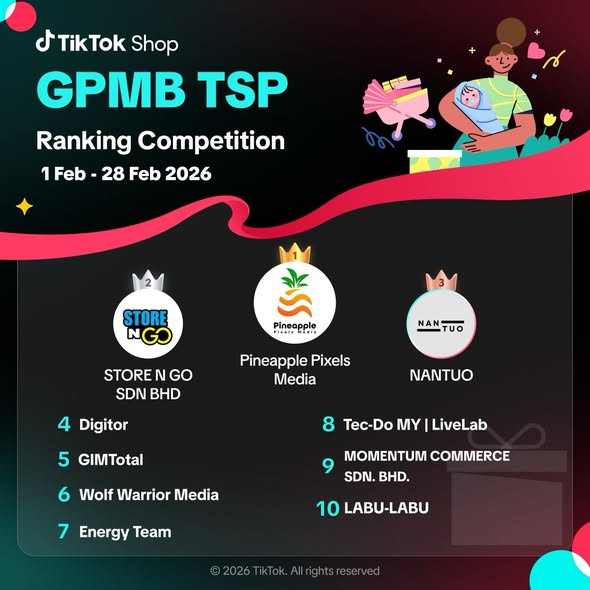
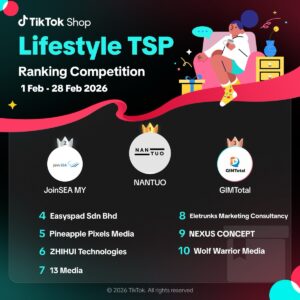
  • Wolf Warrior Media Continues Presence in TikTok Shop TSP Rankings for February 2026

    Following a strong start to the year, Wolf Warrior Media continues to maintain its presence within TikTok Shop’s competitive TSP ecosystem, securing positions in the February 2026 ranking competitions.

    In the TikTok Shop Lifestyle TSP Ranking Competition (1 Feb – 28 Feb 2026), Wolf Warrior Media remained within the Top 10, reflecting ongoing activity and consistency in a highly competitive category.

    At the same time, in the TikTok Shop GPMB TSP Ranking Competition, Wolf Warrior Media achieved a Top 6 position, reinforcing its ability to deliver across different segments within the platform.


    Maintaining Consistency in a Competitive Environment

    As more agencies enter the TikTok Shop ecosystem, competition continues to intensify month by month.

    Maintaining a position within the Top 10 is not simply a reflection of a single campaign, but an indication of consistent execution across multiple accounts, campaigns, and content strategies.

    These rankings are influenced by real performance, including content output, campaign execution, and overall contribution to seller growth on the platform.


    Beyond Rankings: Focus on Execution

    While rankings provide a useful benchmark, the primary focus remains on execution.

    During campaign periods and regular months alike, the key challenges for brands remain the same:

    • Producing enough content to test effectively
    • Responding quickly to performance data
    • Scaling winning creatives efficiently

    Wolf Warrior Media continues to address these challenges through a structured approach that combines content production, testing systems, and performance-driven strategies.


    Building on Momentum

    With consecutive appearances across multiple TSP rankings, the focus moving forward is not just participation, but continuous improvement.

    Each campaign cycle provides new data, insights, and opportunities to refine strategies — allowing brands to adapt faster and scale more effectively over time.


    Looking Ahead

    As TikTok Shop continues to evolve, the ability to combine speed, structure, and consistency will define long-term success.

    Wolf Warrior Media remains committed to strengthening its systems and supporting brands in navigating an increasingly competitive landscape.

  • Reducing Content Costs with AI Video: A More Scalable Approach to TikTok Growth

    For many brands entering TikTok Shop, one of the biggest challenges is not traffic — it’s content.

    The demand for short-form videos continues to grow, yet the cost of producing content at scale remains high. Traditional video production often requires coordination across scripting, shooting, editing, and talent, making it both time-consuming and expensive.

    For sellers who need to test multiple creatives, this quickly becomes a limiting factor.


    The Cost Problem in Traditional Content Production

    In a typical setup, producing a single video can cost anywhere between RM250 to RM500 or more, depending on the complexity and resources involved.

    While this may work for branding purposes, it creates a bottleneck for performance-driven campaigns where volume and speed are critical.

    Most sellers end up:

    • Testing too few videos
    • Taking too long to iterate
    • Missing opportunities to identify winning creatives

    As a result, ad performance becomes inconsistent, and scaling becomes difficult.


    A Shift Towards AI Video Production

    AI-generated video content is changing how brands approach this problem.

    Instead of focusing on producing a small number of “high-effort” videos, brands can now generate a larger volume of content at a significantly lower cost.

    With the right system in place, the cost per video can be reduced to as low as RM50, allowing for faster testing and iteration.

    This shift is not about replacing traditional production entirely, but about introducing a more efficient layer in the content pipeline.


    From Cost Reduction to Better Decision Making

    Lower production cost is only part of the equation.

    The real advantage comes from what it enables:

    • Higher testing volume → More data on what works
    • Faster iteration cycles → Quicker response to market feedback
    • Reduced risk → Lower upfront investment per creative

    Instead of guessing which video might perform, brands can rely on data-driven selection.


    Test First, Then Scale

    A more effective approach is to separate content into two stages:

    1. Testing Phase
    Use AI-generated videos to test multiple hooks, angles, and formats quickly.

    2. Scaling Phase
    Once winning creatives are identified, invest in higher-quality production or ad scaling to maximize returns.

    This approach reduces wasted budget while improving overall campaign efficiency.


    Rethinking Content Strategy on TikTok

    TikTok is not a platform where a single video determines success.

    It is a platform driven by:

    • Volume
    • Speed
    • Iteration

    Brands that adapt to this reality tend to outperform those that rely on traditional production cycles.


    Looking Forward

    AI video is still evolving, but its role in content testing and early-stage scaling is becoming increasingly clear.

    For brands that are serious about growth, the question is no longer whether to use AI — but how to integrate it effectively into their overall strategy.

    At Wolf Warrior Media, we continue to explore and refine AI-driven workflows to help brands reduce cost, increase output, and scale more efficiently on TikTok.

  • Wolf Warrior Media Ranked Among Top TikTok Shop Partners in January 2026 TSP Competitions

    Following a strong performance during the year-end 12.12 campaign, Wolf Warrior Media continues to maintain its momentum into 2026, securing positions in multiple TikTok Shop Partner (TSP) ranking competitions for January.

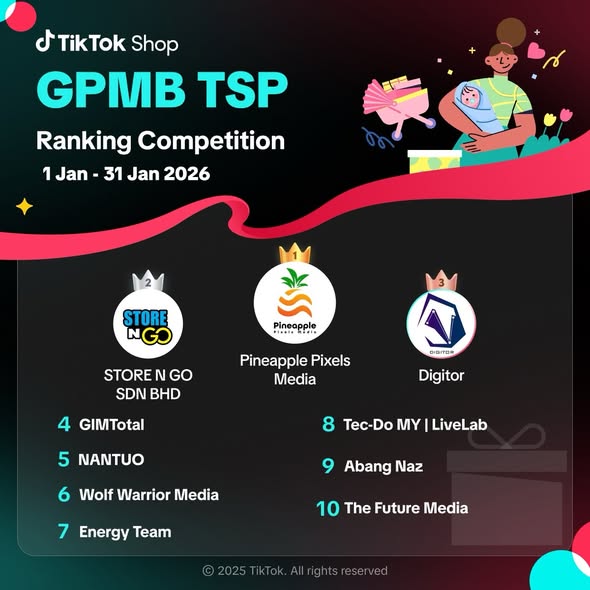
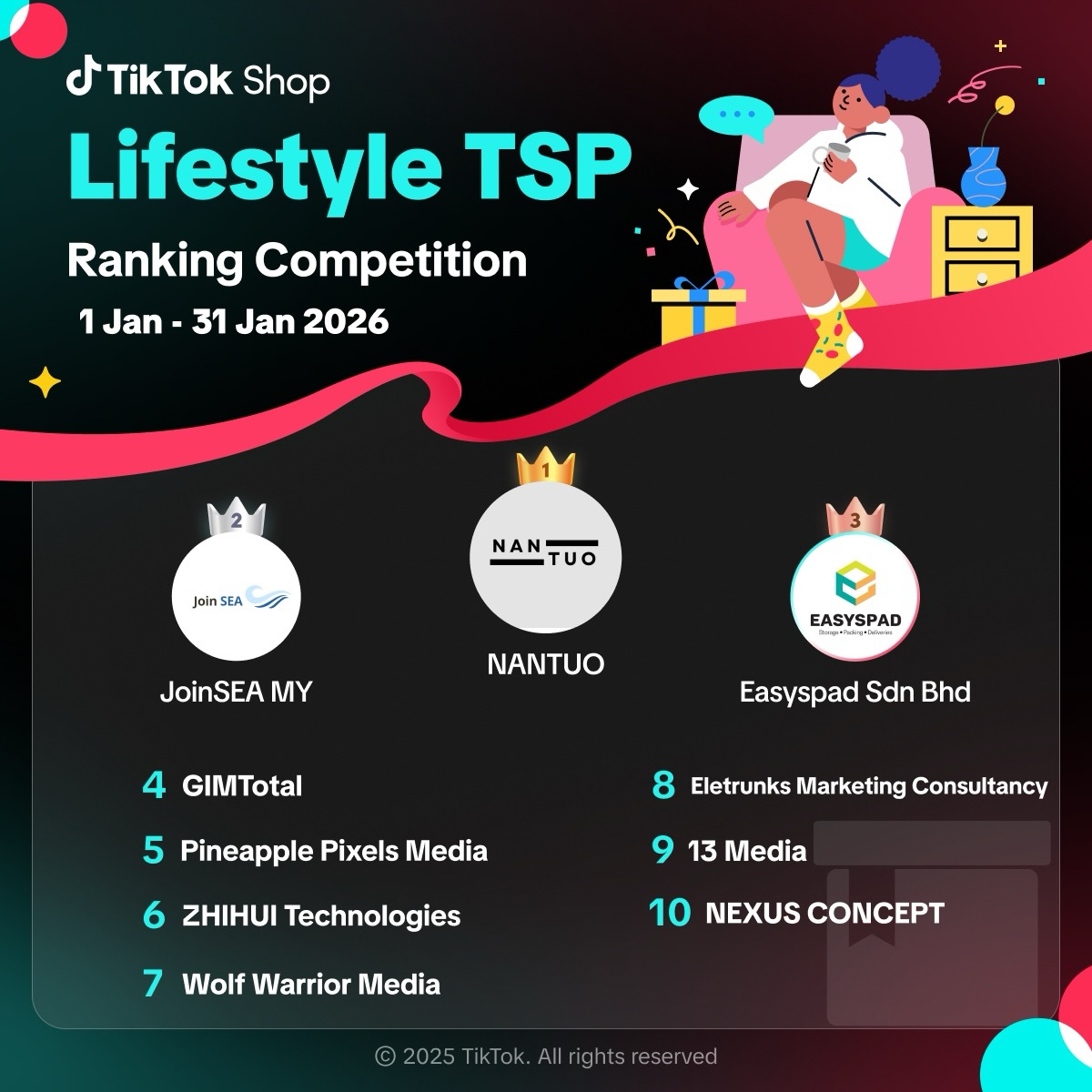
    In the TikTok Shop Lifestyle TSP Ranking Competition (1 Jan – 31 Jan 2026), Wolf Warrior Media was ranked among the Top 10 agencies, placing No.7 in a highly competitive category.

    At the same time, in the TikTok Shop GPMB TSP Ranking Competition, Wolf Warrior Media achieved a Top 6 position, further reinforcing its presence across different performance categories within the TikTok ecosystem.


    Consistent Performance Across Multiple Categories

    These rankings reflect more than a single campaign result.

    Competing across both Lifestyle and GPMB categories requires different strengths — from content direction and creative execution to performance-driven scaling. Being able to secure positions in both categories highlights Wolf Warrior Media’s ability to operate across multiple segments of TikTok Shop.

    Rather than relying on isolated wins, the focus has always been on building consistency across campaigns, categories, and client portfolios.


    Operating in a Competitive TSP Landscape

    The TikTok Shop Partner ecosystem continues to grow rapidly, with more agencies entering the space and competition intensifying each month.

    Rankings within these competitions are influenced by real campaign performance, execution capability, and overall contribution to the platform.

    Maintaining a position within the Top 10 across multiple categories reflects ongoing activity and relevance within this ecosystem.


    From Campaign Execution to Systemised Growth

    Behind these rankings is a structured approach to growth.

    Instead of focusing solely on content output, Wolf Warrior Media emphasizes:

    • High-volume content testing
    • Fast iteration cycles
    • Data-driven decision making
    • Scalable ad execution

    This allows brands to respond quickly during campaign periods while also building a foundation for long-term growth.


    Building Momentum Into 2026

    As TikTok Shop continues to evolve, the gap between brands that scale and those that stagnate is becoming more defined.

    Speed, structure, and consistency are no longer optional — they are required.

    The results from both the 12.12 campaign and the January TSP competitions mark an encouraging start to the year, and Wolf Warrior Media remains focused on strengthening its systems to support brands in an increasingly competitive environment.


    Looking Ahead

    Moving forward, the priority remains clear — helping brands not only perform during peak campaigns, but also sustain growth beyond them.

    With continuous refinement in content systems, creator collaboration, and advertising strategies, Wolf Warrior Media aims to further expand its role within the TikTok Shop ecosystem in Malaysia and beyond.

  • Wolf Warrior Media Achieves Strong Performance During TikTok Shop 12.12 Campaign

    The year-end 12.12 campaign has always been one of the most competitive periods for TikTok Shop sellers across Malaysia. With intensified competition, rising ad costs, and increasing demand for high-performing content, brands are under greater pressure to deliver results within a short window.

    During the recent TikTok Shop 12.12 Year End Sale, Wolf Warrior Media delivered a solid performance across multiple client accounts, contributing to overall campaign growth and positioning ourselves among the Top TikTok Shop Partners (TSP) in the market.


    A Competitive Landscape

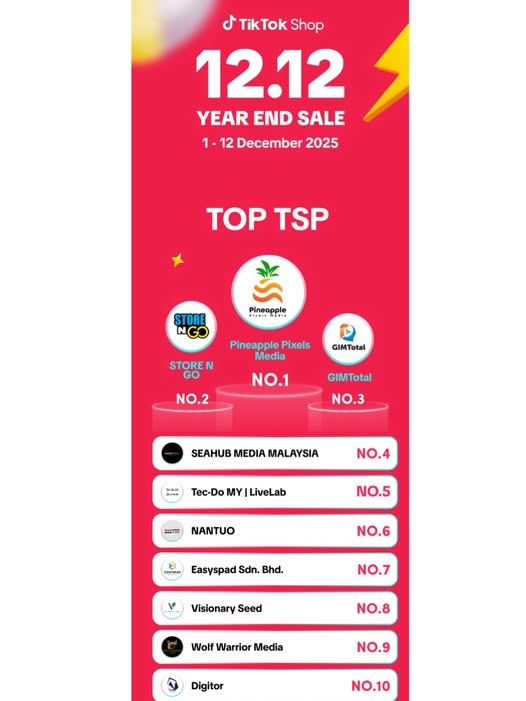
    According to the official campaign ranking, Wolf Warrior Media was listed among the Top 10 TikTok Shop Partners for the 12.12 campaign.

    While the ranking reflects a highly competitive environment with strong industry players, it also highlights our continued presence and performance within TikTok’s partner ecosystem.

    More importantly, it represents the collective effort behind multiple campaigns executed during the period — from content production to ad scaling and campaign optimization.


    Executing at Scale During Peak Campaign Period

    Campaign periods like 12.12 are not just about participation, but execution.

    Within a limited timeframe, brands are required to:

    • Produce high volumes of content
    • Test multiple creative directions
    • React quickly to performance data
    • Scale winning ads efficiently

    At Wolf Warrior Media, our focus during this campaign was on speed and structure.

    By leveraging a combination of AI-assisted content workflows and production systems, we were able to support clients in generating a higher volume of test creatives, allowing faster identification of winning content.


    From Content to Performance

    Rather than approaching the campaign with isolated content pieces, we structured our strategy around performance.

    This includes:

    • Rapid content testing cycles
    • Data-driven decision making
    • Continuous optimization during the campaign window

    This approach enabled brands to adapt quickly in a fast-moving environment, where delays in execution often result in missed opportunities.


    Consistency Over One-Time Wins

    While campaign rankings provide a snapshot of performance, our focus remains on building consistent, long-term growth for our clients.

    The 12.12 campaign is one of many key moments throughout the year, and our goal is to ensure that brands are not only able to perform during peak periods, but also sustain growth beyond them.


    Looking Forward

    As TikTok Shop continues to evolve, campaign competitiveness will only increase. Sellers who are able to combine content, data, and execution speed will have a clear advantage.

    Wolf Warrior Media remains committed to refining our systems and supporting brands through both campaign peaks and long-term scaling phases.

  • Wolf Warrior Media Ranked #1 Most Popular TikTok Shop Partner

    For many TikTok sellers in Malaysia, one of the biggest questions is always the same — which agency can actually deliver results?

    With so many options in the market, it’s easy to get lost in promises, portfolios, and pricing comparisons. But instead of relying on assumptions, TikTok itself has already provided a clear signal.

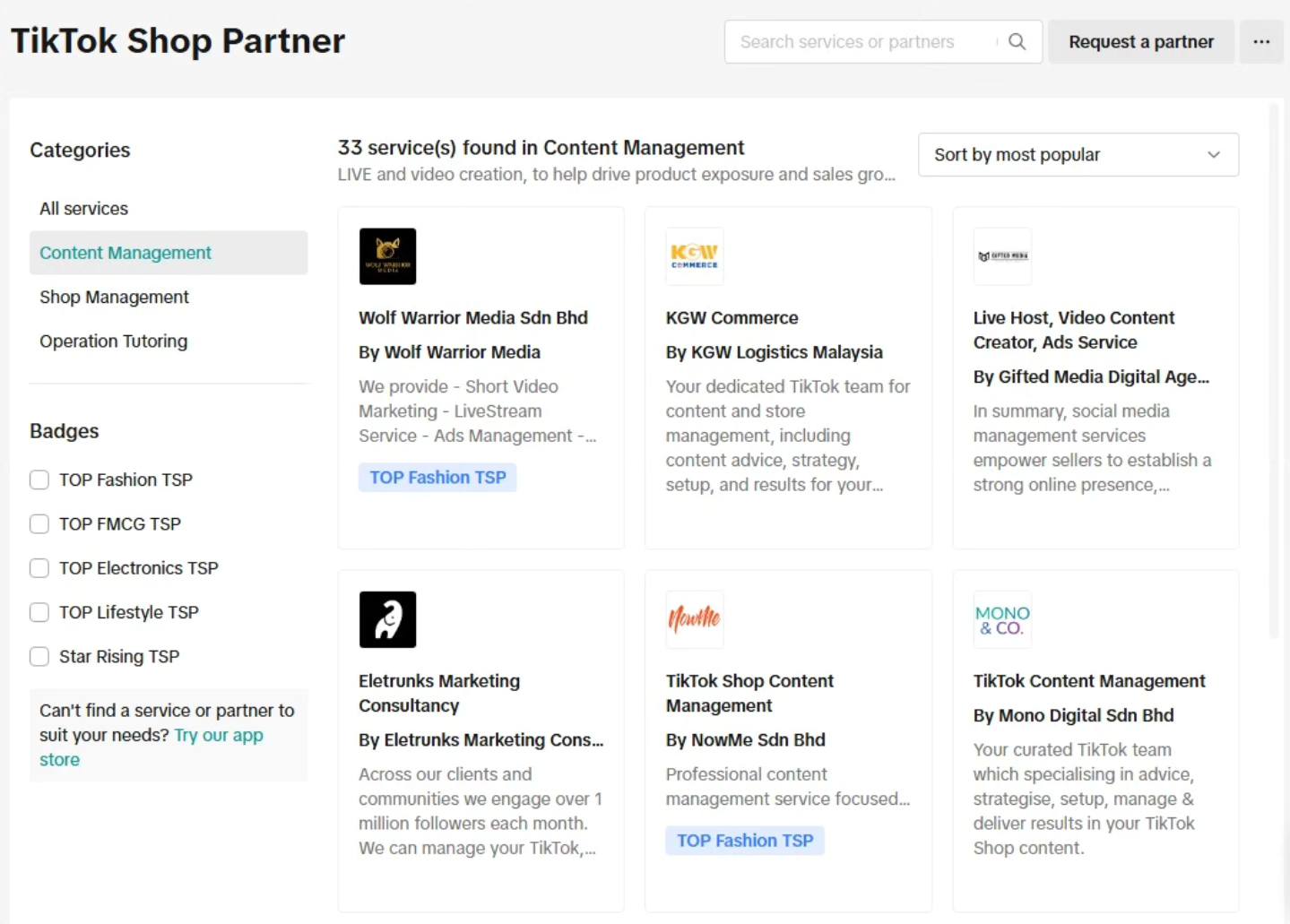
    Inside TikTok Seller Centre, under the Content Management category, Wolf Warrior Media is currently ranked as the #1 Most Popular TikTok Shop Partner.

    This is not a claim made by us. It is a ranking based on actual platform activity, reflecting the trust and demand from sellers within the TikTok ecosystem.


    Where to Find This Ranking

    Sellers can verify this directly within TikTok Seller Centre:

    Navigate to Grow → TikTok Shop Partner → Content Management, and you will see Wolf Warrior Media positioned at the top.

    This ranking is continuously influenced by real usage and engagement, making it a strong indicator of which agencies are actively delivering value in the market.


    Why This Matters for Sellers

    Choosing the right TikTok partner is no longer just about content production. The market has evolved, and so have the challenges.

    Many sellers today face similar issues:

    • Investing heavily in content without clear returns
    • Testing too few creatives to find what actually works
    • Lacking a structured approach to scaling
    • Relying on inconsistent or one-off campaigns

    As a result, growth becomes unpredictable, and marketing costs continue to rise.

    Being recognised as the most popular agency reflects more than visibility — it signals consistent performance and the ability to support sellers at scale.


    Our Approach to TikTok Growth

    At Wolf Warrior Media, we focus on building systems rather than just producing content.

    Instead of relying on a few “good videos,” we emphasize volume, speed, and data.

    By combining AI-powered content generation with real production workflows, we enable sellers to test more variations in a shorter time. This allows us to identify winning creatives faster, and more importantly, scale them effectively through structured advertising strategies.

    Beyond content, we also work closely with creator networks and affiliate ecosystems, helping brands expand their reach while maintaining performance.


    From Testing to Scalable Growth

    One of the biggest differences we bring is how we approach the growth process.

    Rather than trying to create the “perfect video” from the start, we believe in testing at scale, identifying what works, and then doubling down.

    This approach has helped many brands move from inconsistent sales to more stable and scalable performance on TikTok.


    A Signal from the Platform Itself

    Ultimately, rankings within TikTok Seller Centre are shaped by real seller behavior.

    Being listed as the most popular agency in Content Management reflects ongoing trust from businesses that are actively using the platform to grow.

    For sellers exploring their next step, this serves as a useful reference point — not just for visibility, but for credibility.


    Looking Ahead

    As TikTok continues to evolve as a major eCommerce channel in Malaysia and across the region, the need for structured, scalable growth strategies will only become more important.

    At Wolf Warrior Media, we remain focused on helping brands navigate this shift — by combining content, data, and systems into a unified growth approach.